
1960
Birth in Ishara begins a life story rooted in Rwanda's western region.
Jean Baptiste Sengayire was born in Ishara, Kagano sector, Nyamasheke District, in the Western Province of Rwanda.
This route traces the founder from Ishara in 1960 to present-day Kigali, showing how proximity to community pain, faith-based service, and enduring relationships shaped the foundation's mission.
The founder story is not ornamental. It explains why FB2F keeps returning to dignity, peace, accompaniment, and productive self-reliance.
Jean Baptiste Sengayire is a Rwandan national, married, and a father of seven children. He was born in Ishara in 1960, in Kagano sector, Nyamasheke District, in Rwanda's Western Province.
For security reasons, his parents moved to Kigali in 1968. He now lives with his family in Kigarama sector, Kicukiro District, a place whose recent history has included social strain, insecurity, war, and the 1994 genocide against the Tutsi.
That close relationship to place helps explain the founder's public posture: care had to be concrete, peace had to be lived, and dignity had to survive real pressure.
Nationality
Home district
Calling
Each milestone shows how birthplace, conflict, service, peacebuilding, and relationship turned into a longer founder arc.
Jean Baptiste Sengayire was born in Ishara, Kagano sector, Nyamasheke District, in the Western Province of Rwanda.
The move to Kigali placed the founder inside a different urban reality and eventually into the Kigarama context that would shape his public mission.
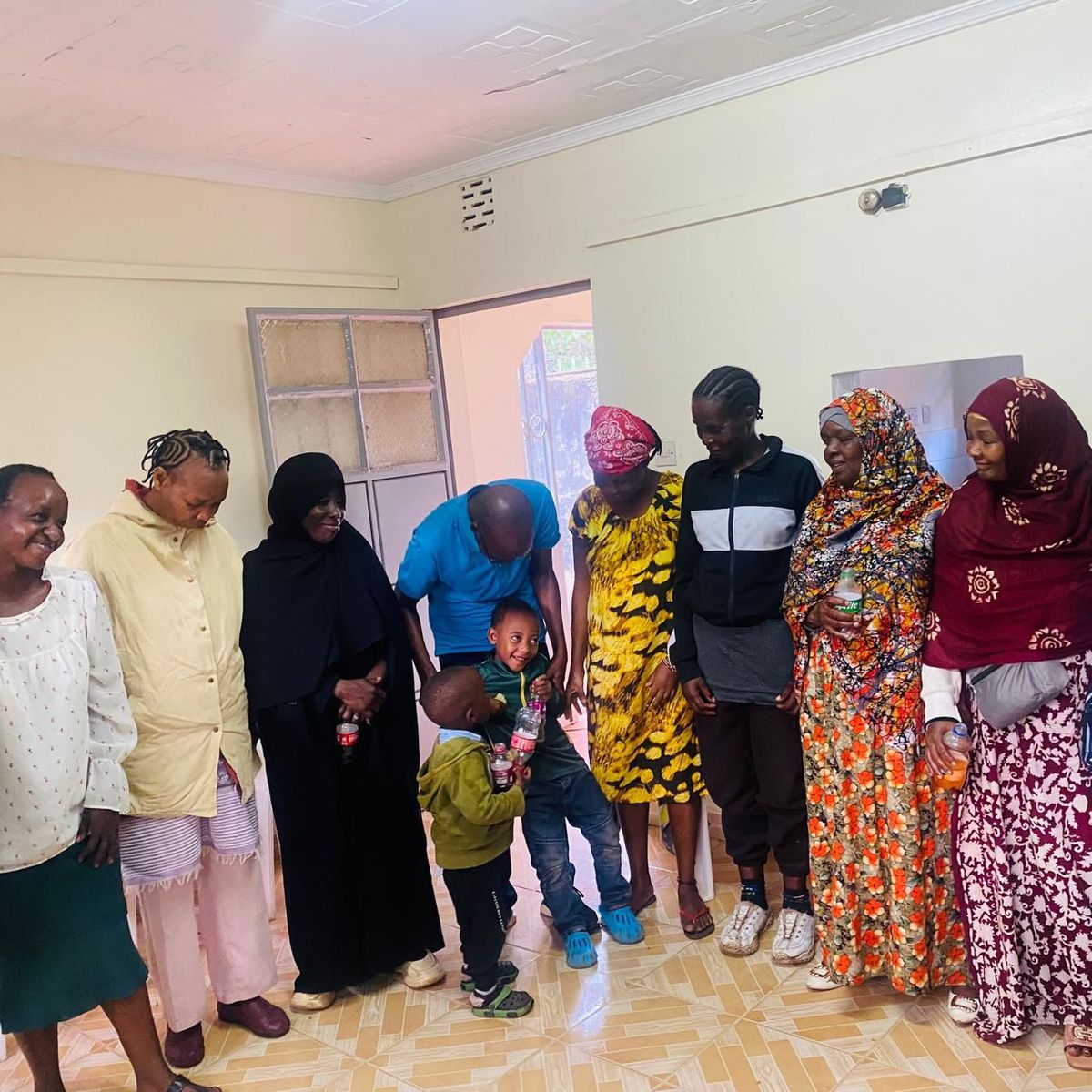
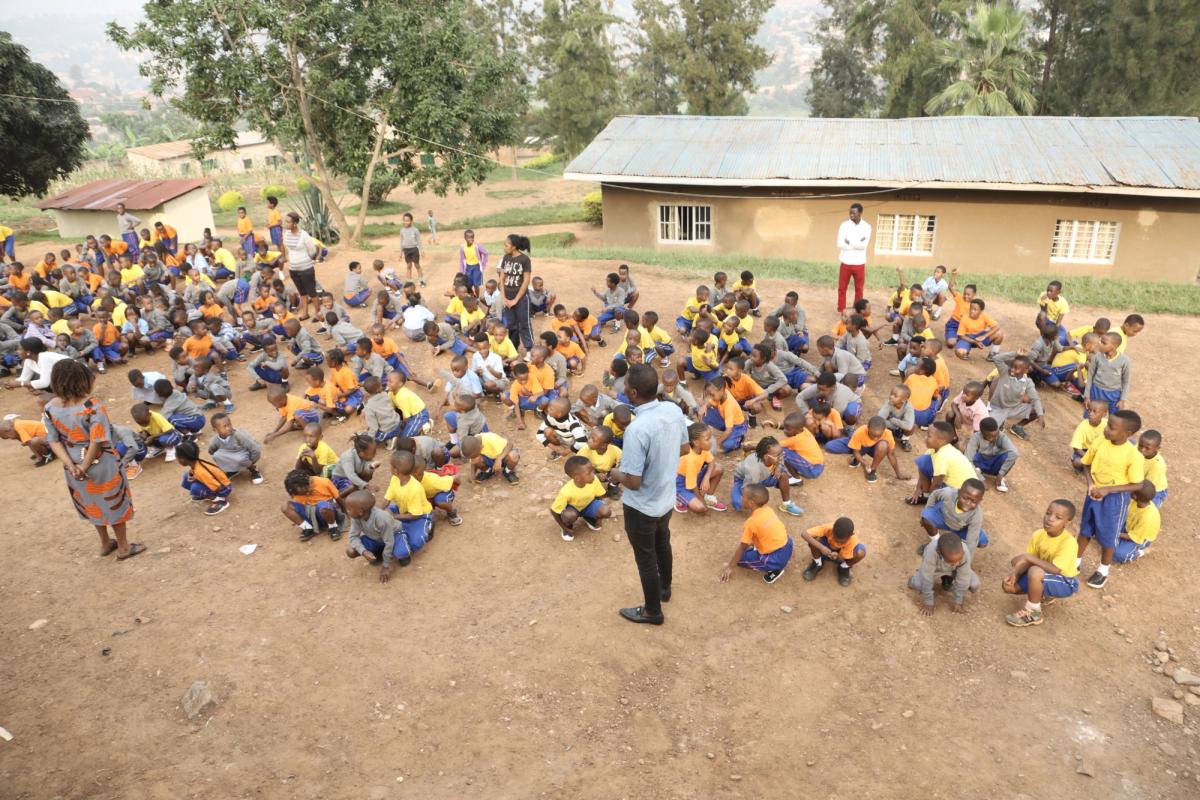
In Kigarama, the founder established a movement built around consolation, self-esteem, and respect of dignity for all.
Kigarama faced HIV and AIDS pressures linked to transport corridors, intensifying the need for work grounded in human dignity and social repair.
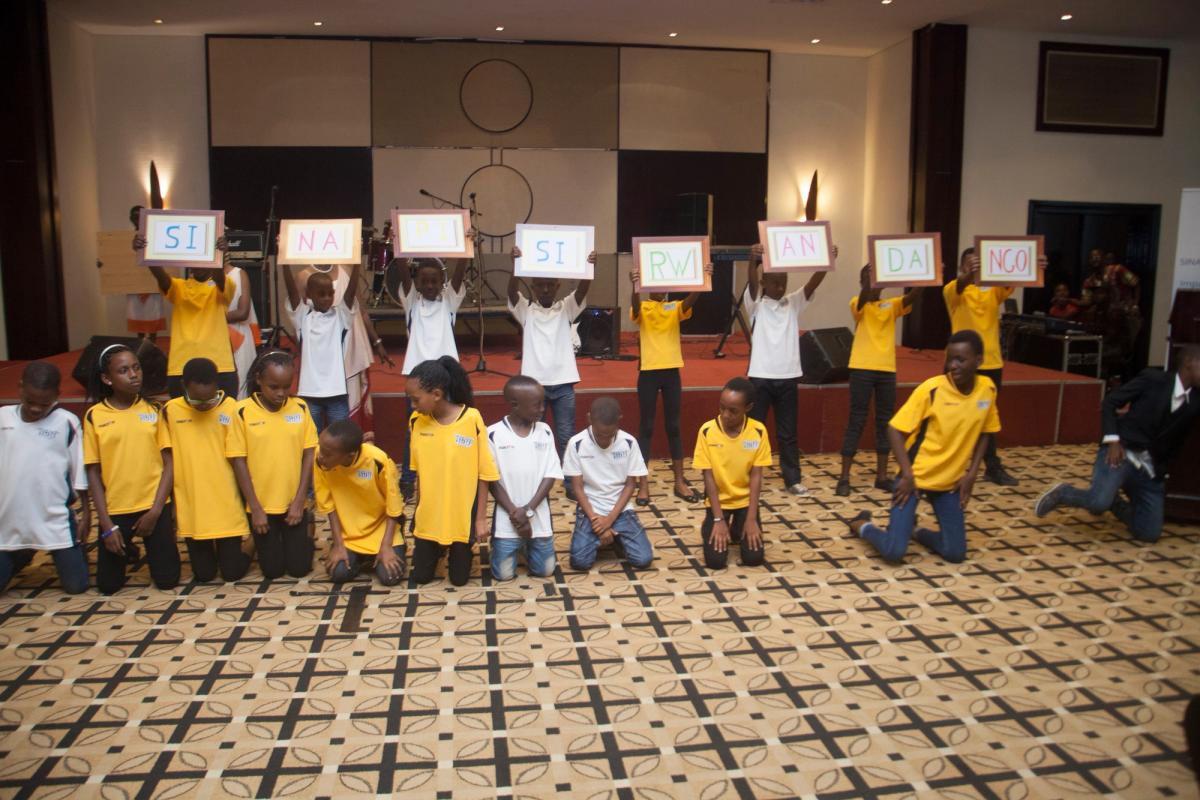
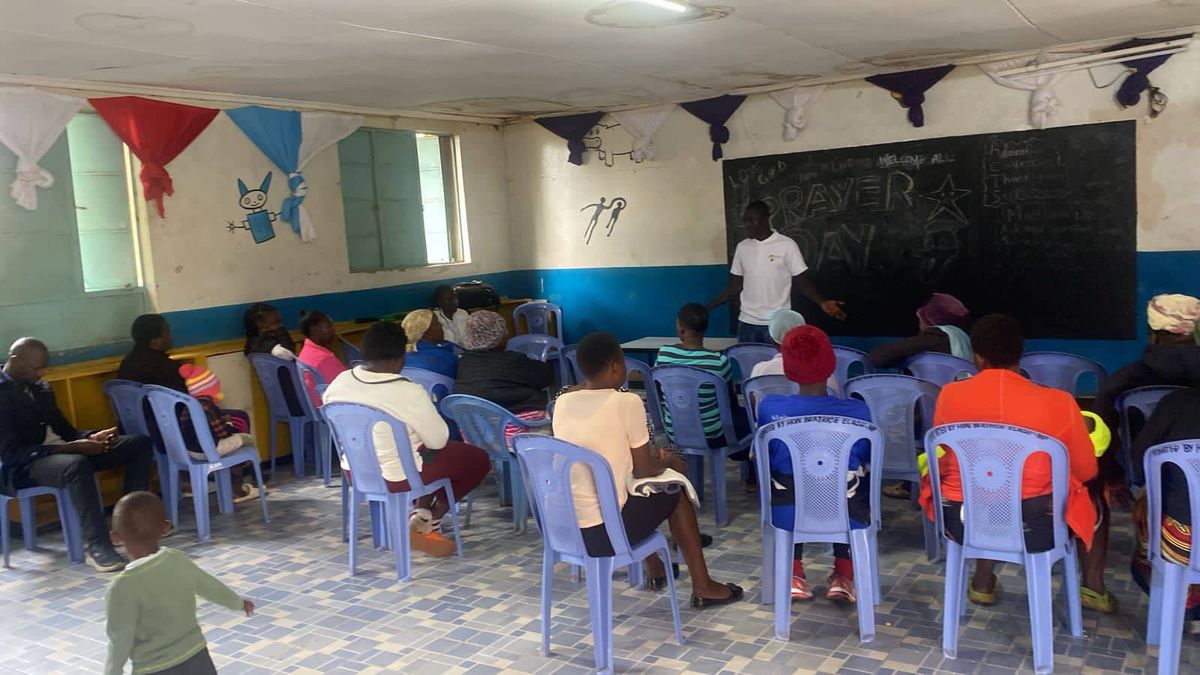
The insecurity and genocide against the Tutsi reinforced the urgency of building a culture of peace, life sharing, and accompaniment without segregation.
The witness of Michael and Cornelia Bierlmeier showed how international friendship, hospitality, and care for vulnerable children could become a shared vocation.
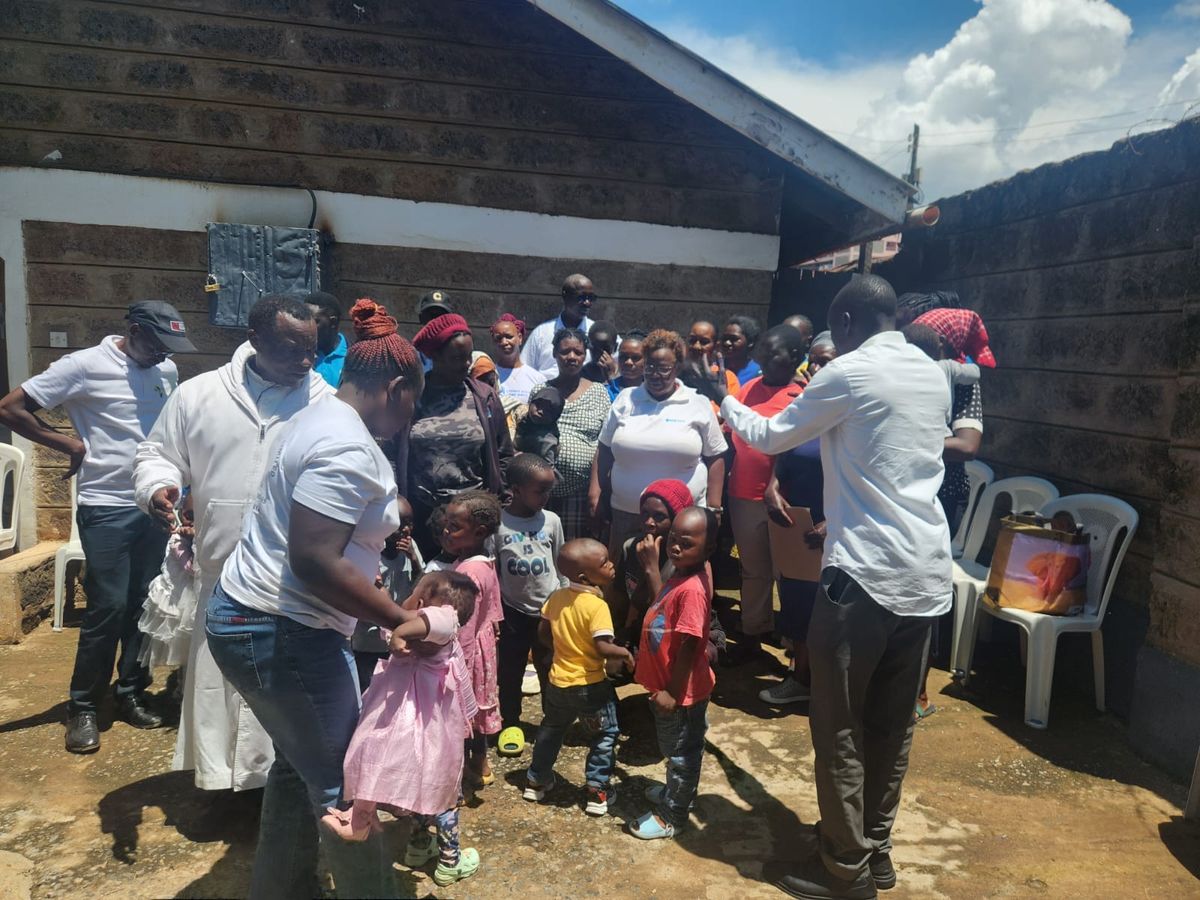
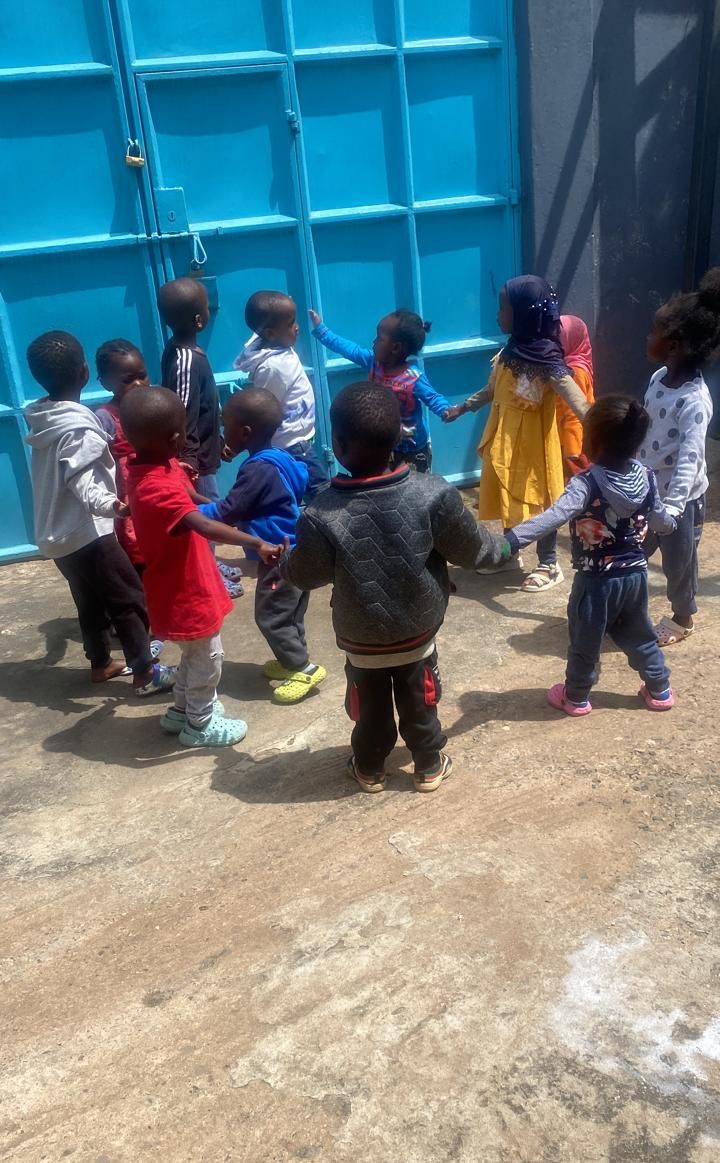
His example of integrity, nursing care, and public advocacy for orphans becomes part of the moral inheritance carried by the future foundation.
Her life of care for children and vulnerable people remained active in memory, reinforcing the foundation's commitment to keep the story alive through action.
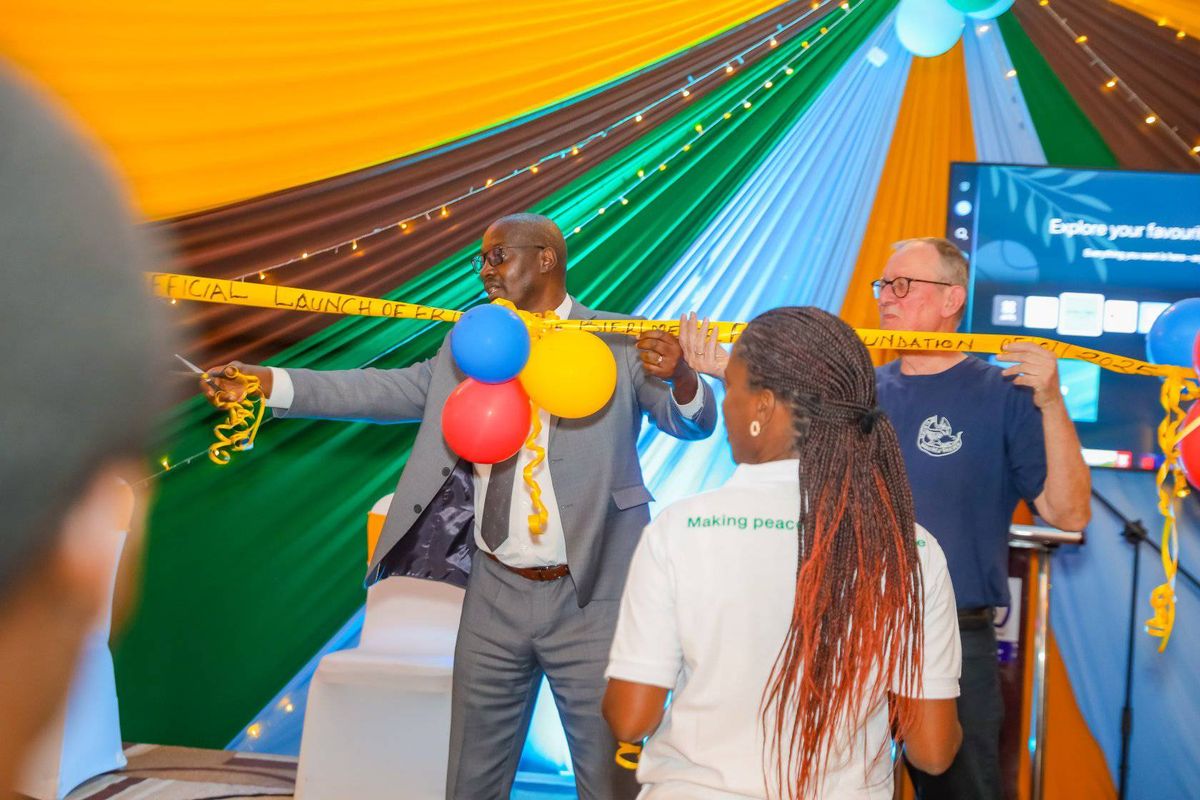
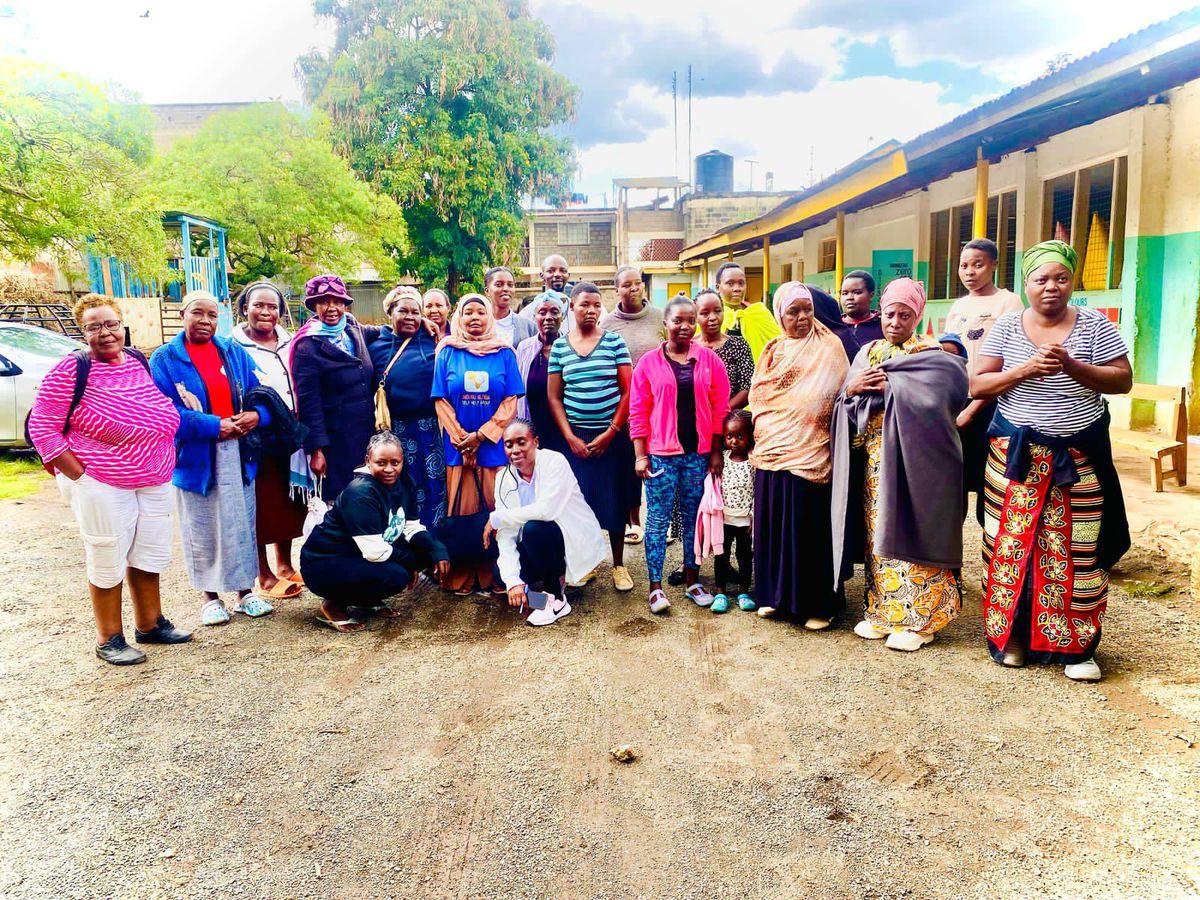
FB2F translates the founder's long journey into an institutional model that links mission, partnerships, and practical pathways for communities to flourish.
These principles explain the kind of institution FB2F is trying to become.
The founder story is marked by proximity to neighborhoods, families, and the actual conditions shaping dignity and risk.
The transformation of Kigarama into a city of peace demonstrates a practical commitment to reconciliation and life sharing.
The work aims to restore the inner and social conditions people need in order to participate productively in community life.
The founder explicitly acknowledges that people of good will, even outside his own denomination, can be true partners in building a more dignified world.

The current site, programs, and partnerships are a way of carrying forward the founder's ministry of sacrificial love in forms that communities can actually use.
Drawing on decades of preaching sacrificial love, fighting for peace, and rejecting every form of segregation, the founder concluded that the work needed a durable institutional shell capable of welcoming many people of goodwill.
FB2F is that shell: a public platform intended to preserve memory, widen collaboration, and move from personal witness toward a foundation that can serve communities over the long term.
Join FB2F as a volunteer, implementing partner, donor, or strategic collaborator. The invitation is to contribute to grounded, long-term work that helps communities build the future they want to sustain.
FB2F is rooted in a legacy of service and dedicated to tackling social injustice, strengthening human dignity, and building sustainable community-led pathways to resilience.